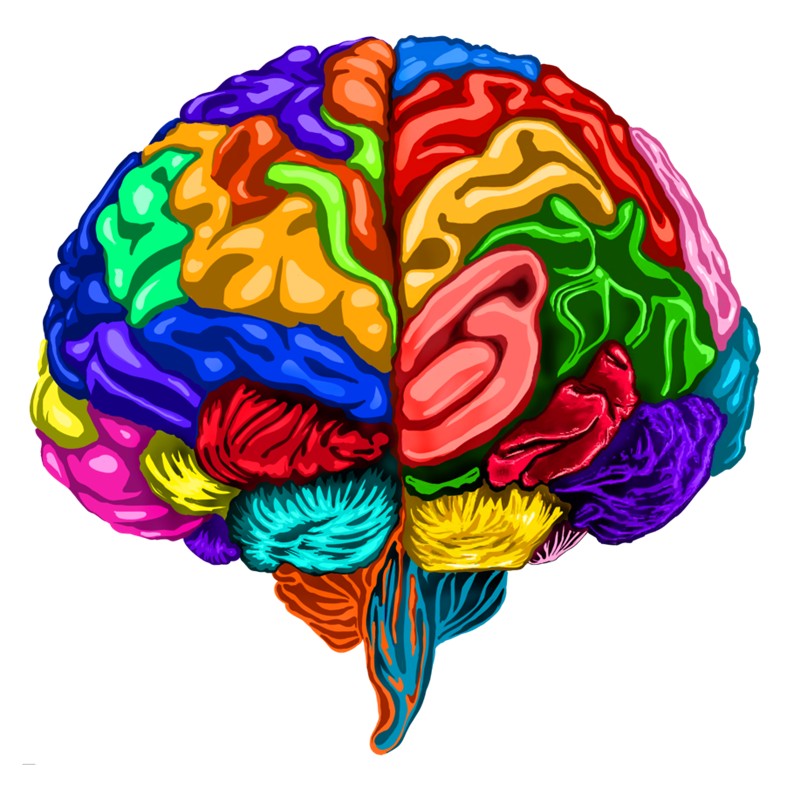
Think of dopamine as your brain’s “feel-good” messenger. It helps with motivation, reward, pleasure, mood, focus, and learning. Too little dopamine can lead to low motivation, tiredness and fatigue, and depression.
Using chems interferes with this by flooding the brain with dopamine, creating intense ‘artificial’ pleasure. Over time, natural dopamine production is reduced, making everyday activities feel less rewarding.
Chems can create a need for immediate pleasure, making it harder to focus on longer-term goals. As the brain adapts to quick, easy dopamine highs, activities that require effort and delayed rewards may seem boring or pointless.
Indicators that this is happening
- Activities that once felt exciting now seem meaningless.
- Struggle to complete tasks, focus, or make plans.
- Feeling unmotivated without substances.
- Not getting stuff done, missing deadlines.
- Little or no ambition.