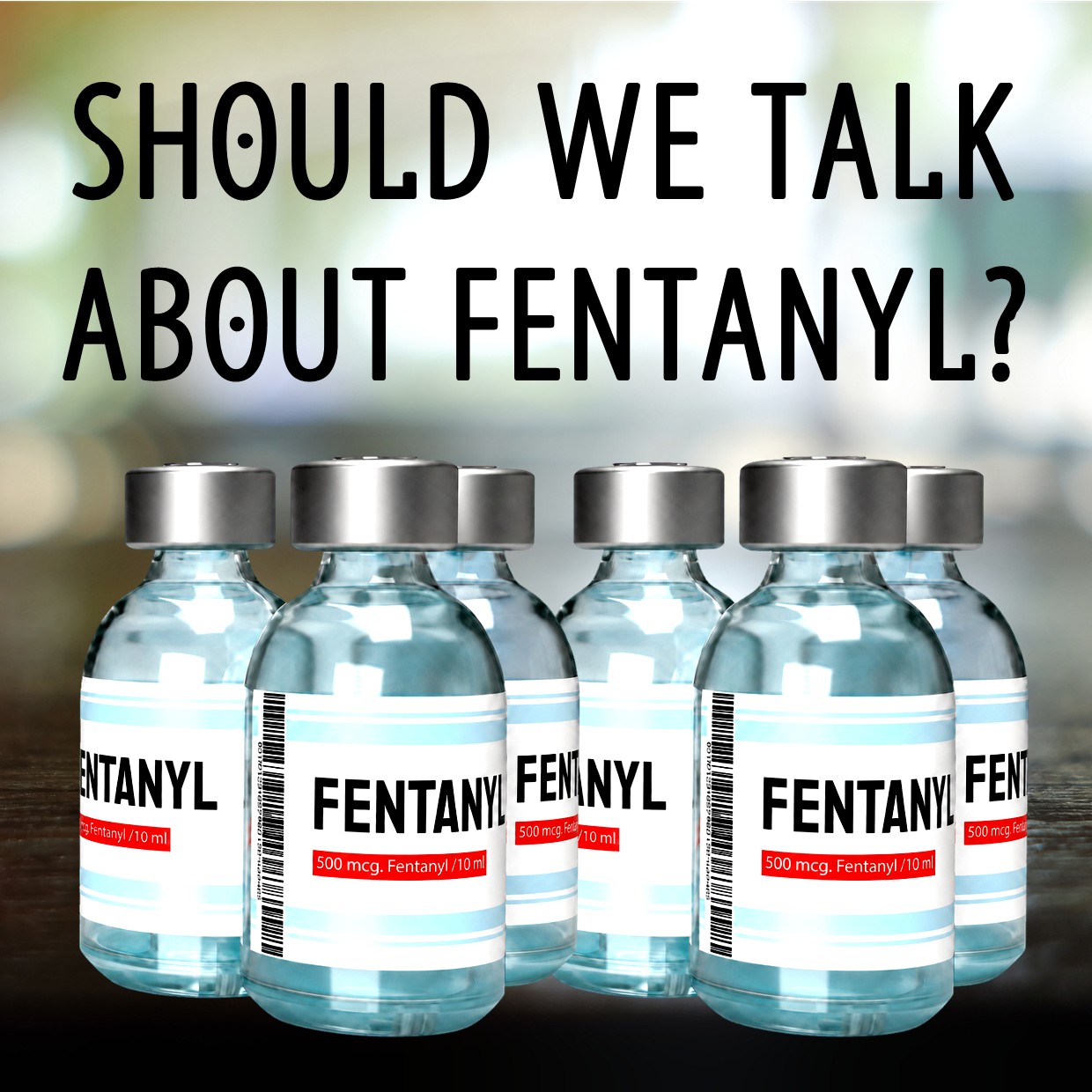
Fentanyl is a laboratory-made opioid. It relieves pain, causes sedation and can produce euphoria, but it can also suppress breathing. It is approximately 50 times stronger than heroin and 100 times stronger than morphine. Consequently, a tiny dosing error or unexpectedly contaminated drug can cause unconsciousness, respiratory arrest and death. Naloxone can reverse an overdose, although more than one dose may be required.
Crossover with recreational drug use (inc. chemsex): theoretical and real
Knowing when and how to include new issues can be challenging without sounding alarmist or gratuitous. As of July 2026, we struggle to find anything meaningful that connects gay men, chemsex and fentanyl despite rumbles on the scene in London. Reliable data is conspicuous by its absence, so we remain cautious about including this topic.
Fentanyl and established chemsex drugs are not natural bedfellows. UK chemsex typically involves crystal meth, mephedrone and GHB/GBL – not opioids. Straight and gay communities and other recreational settings often use different drugs, although supply chains can overlap. The real risk to gay men is therefore unintentional contamination, not an emerging preference for fentanyl. Contaminated stimulants have been documented in North America, but not established in the UK chemsex supply.
In our opinion, fentanyl should be watched, but it should not be presented as an established UK chemsex drug or current chemsex epidemic. The credible concern is that fentanyl, nitazenes or other potent synthetic opioids could enter drugs sold as something else. This is what we have tried to set out here.
Deal or no deal | MEN R US
Having a conversation with your dealer.
Naloxone | MEN R US
It only works on opioids like heroin or morphine, not on most other drugs used in chemsex settings.
Origins
Fentanyl was developed by Belgian pharmacologist Paul Janssen and first synthesised in 1959–60. It entered medical practice during the 1960s as a fast-acting intravenous anaesthetic and painkiller. Pharmaceutical forms later included injections, skin patches, nasal sprays, lozenges and tablets. Illicit manufacturers subsequently produced fentanyl and hundreds of related compounds, some considerably stronger than fentanyl itself.
Use
Medically, fentanyl is used during anaesthesia and to manage severe pain, including after major surgery, in intensive care, palliative care and some cancer treatment. Illicit fentanyl may be taken deliberately, substituted for heroin or added without the buyer’s knowledge. It has also appeared internationally in counterfeit painkillers and, less commonly, non-opioid drugs. Its potency and uneven distribution within powders or tablets make illicit products exceptionally unpredictable.
Emergence in the UK
Prescribed fentanyl has been used in Britain for decades. Illicit fentanyl caused particular concern in 2016–17 following fentanyl-contaminated heroin deaths. Recent evidence does not show a fentanyl takeover. The ONS recorded fentanyl in 60 deaths registered in 2024, although this can include pharmaceutical fentanyl. Government surveillance found no deaths between June 2023 and May 2024 involving confirmed illicit fentanyl without nitazenes. Fentanyl seizures also remained low. Britain’s immediate synthetic-opioid problem is predominantly nitazenes.
Drug class and the law
Drug Class: Synthetic opioids (designed in laboratories to mimic or exceed the effects of natural opioids like heroin).
Legal Classification: Class A (the strictest legal category in the UK, which also includes a generic ban covering all nitazene variants).
Supply and Production: Up to life in prison, an unlimited fine, or both.
More
Fentanyl | Wikipedia Why Does Fentanyl Feel So Good? | Kurzgesagt: In a Nutshell | 20 May 2025 | 14m 57sFentanyl: Why are so many Americans dying from synthetic opioids? | BBC News | 12 May 2023 | 2m 37s
Your Brain On Fentanyl | AsapSCIENCE | 10 Jul 2017 | 3m 44s