


Some gay men use types to describe themselves, identify with a scene, or communicate what they’re into. Who hasn’t heard someone say “he’s my type” or been asked if a guy is yours? There is always some disagreement around the terms we use and whether we should use them at all.
So, be careful about sticking a type on someone, bearing in mind some gay men reject them altogether as narrow, superficial and demeaning. Equally, some use types affectionately and as a convenient shorthand.
Used lightly, types can help us find each other. Used lazily, they can flatten a whole person into a body, a beard, a waist size or a fantasy.
It’s a bit of a bear pit, no pun intended, but here’s our take on types, though you are perfectly entitled to throw them out and be your own gay, homo, queer, or whatever fits.
Physical types and personal characteristics
Some guys are primarily attracted to physical types of gay men, eg, bears, twinks and muscle guys, while others are more attracted to characteristics in men, eg, warmth, intelligence and humour. Others mix and match, and understanding these distinctions is important.
For example, the type or types of men we find sexually attractive may not necessarily be the qualities we are looking for to sustain a relationship. The trouble is, we can get so caught up in a type that we lose sight of the fact that, not far beneath the surface, many of us are simply people wanting to be loved, respected and held. The solution involves open-mindedness, flexibility and/or compromise.
So, what pushes your buttons?
- A guy’s age, or the way he fits a T-shirt?
- A pencil-thin physique, or the way he smiles?
- The hair on his chest, or his positive attitude towards life?
- It could also be the size of his dick, though this is a whole new conversation.
Bottom line: types, preferences and the laws of attraction are as varied as they can be fickle, complex and seemingly contradictory.
Handsome Man | Matt Alber | 1 Oct 2014 | 4m 44sGay app and website categories
Types of gay men saturate gay media and magazines, and if the name of a club night doesn’t tell you what to expect, the promo pics will. Types of men are also pressed home by the boxes we are expected to tick on apps and websites.
Here are some categories we found on four gay apps or websites at the time of writing. Some older categories included terms now considered outdated, so treat this as a snapshot, not a language guide:
- Bears, bikers, builders, chubbies, clubbers, farmers, firefighters, footballers, geeks, labourers, leather men, married men, medical, military, muscle men, older guys, policemen, preppies, punks, rugby players, short guys, skins and tall guys. And hot garbage men, says Luke.
- Bear, clean cut, daddy, discreet, geek, jock, leather, otter, poz, rugged, trans and twink.
- Daddy, bear, leather, geek, discreet, military, muscle, jock, bear chaser, daddy chaser, poz, college, transgender and twink.
- Slim, athletic, average, muscular, a little extra and big guy.
- Grunge… but we’re uncertain if it’s still a thing. Let us know.
Granted, there’s space to write about who you are, which some of us read, BTW, but who hasn’t checked out a guy’s photo, sexual position or listed likes to make a snap decision as to his ‘suitability’. Even so, it can be hard to be you when you are reduced to a string of boxes.
Popular types
There’s been some hellish squabbling at MEN R US as we’ve pulled together a list of ‘popular’ types. However, our collective tongues are in our collective cheeks and we’re definitely open to additions and amendments. Some of the venues listed here have closed since we first wrote this content, but we’d like to think our collective memory remembers them fondly.
These lists are not commandments. They are scraps of scene language, app language, private jokes, old shorthand and half-useful nonsense.
- Bears: 30+, broad/heavier build, usually hairy, often with facial hair. Likely habitats: RVT.
- Cubs: late 20s to 30s, younger bears, usually hairy, often with facial hair. Likely habitats: RVT, Brüt, Eagle.
- Chubs: heavier or overweight, often less hairy or not hairy.
- Drag queens: big, buxom or svelte, smooth as a baby’s bum, very possibly waxed, and with facial hair no longer a barrier. Likely habitats: Halfway to Heaven, Molly Moggs, Two Brewers, and stages everywhere.
- Circuit gays, aka gym bunnies: late 20s to 30s, athletic to muscular build, less likely to be hairy, possibly waxed. Likely habitats: Fire, RVT, Ministry of Sound.
- Queer: arty types of any shape or build. Likely habitats: queer nights, art spaces, DIY events and wherever the rules are being rewritten.
- Jocks: late 20s to 30s, muscular build and gym-obsessed, less likely to be hairy, possibly waxed. Likely habitats: Fire, RVT, Ministry of Sound.
- Muscle bear: 30+, broad/heavier build, usually hairy, may be trimmed or sculpted to reflect his physique, often with facial hair. Likely habitats: RVT, Brüt, Eagle.
- Otters: late 20s to 30s, leaner, usually hairy, often with facial hair. Likely habitats: RVT, Duke of Wellington.
- Pups: late 20s to 30s, lean to muscular, can be hairy, puppy genre becoming increasingly popular. Likely habitats: RVT, Brüt, Eagle.
- Spunk monkey: 30s. Laid back but easily excited around men. Into long bouts of energetic, bouncy, Tiggerish sex. Likely habitats: Brüt.
- Twinks: 18 to early 20s, boyish features, thinner to slim build, usually smooth, may have highlights. Likely habitats: G-A-Y, QBar, Heaven.
- Boy / boi: huge in the 1990s, a young gay man with bleach blond hair often wearing a ‘boy’ T-shirt and cap. As sexy-tragic then as it is now, there are rumblings the word is being reclaimed and reimagined by today’s queer community.
- Wolves: late 30s to 40s, lean to semi-muscular, usually hairy, often with facial hair. Likely habitats: RVT, Brüt.
- Everyone else: everyone else.
Those we have not included from the web app category lists, you can probably work out for yourself, and there’s a lot of overlap. For example, preppies tend to be clean cut, bears and muscle guys can also be bikers, and daddies are not so much a type as a state of mind and an attitude.
So, when a guy shows you no interest, it may be because:
- He’s attracted to guys without hair, and you have a full head of hair.
- He’s attracted to slim, toned guys, while you are broad-shouldered and muscular.
- He’s attracted to shorter guys, and you’re taller than him.
- He’s attracted to, or excludes, particular skin colours or ethnicities, which is where ‘preference’ can start sliding into racism.
There’s a difference between noticing who we fancy and dressing exclusion up as ‘just my type’. That difference matters.
Or maybe it’s because he doesn’t see you smile or you slept with his ex. Where does it end?!
[4wp-svg-icons icon=”film” wrap=”i” size=”10″ color=”#dd0202″] Popular gay slang inspired by the animal kingdom explained | Pride | 12 Dec 202Build it and they will come
Not even a lifetime ago, when the gay scene was smaller, having visible and shared identities was a way of finding each other, literally in some cases, and bringing us together. And we should rightly be proud of this.
Leather, clone and denim looks helped shape gay male culture from the 70s into the 80s; the muscle scene has been pumping iron since at least the 90s; and bear culture, with roots stretching back decades, has become increasingly visible over time, each with its own interpretation of masculinity and what it is to be gay.
London’s bear scene, for example, grew partly because bigger, hairier or bear-identified men did not always feel welcome elsewhere. Bears built their own scene, and the otters, wolves and cubs came too.
Unfortunately, some scenes can become self-absorbed and exclusive, morphing back into the very thing they once pushed against.
Thick boys in all their glory drop their pics | Queerty* | 7 Oct 2021Inside The World Famous Tom of Finland House With Terry Miller | It Gets Better Project | 8 May 2018 | 6m 39s
Tom of Finland: Archive 2008 | homotopiafestival | 5 Dec 2013 | 12m 50s
Touko Laaksonen born a Finn. He was a soldier,advertising executive, pianist, artist, had a destiny, to be the liberator ‘ TOM OF FINLAND ‘ giving homosexual males an identity and releasing them from the shackles of guilt and shame. Pups, Otters, and Large Furry Men: Thomas Morton on the Slanguage of Bears | Vice | 20 Apr 2016 | 3m 40s
Are Gay Men More Masculine? | AsapTHOUGHT | 27 Apr 2016
Gay Men: Are You a Jock, Otter, Bear or Wolf? | Hub Pages | 31 May 2015
The Queer Collective video inspired by Charli XCX’s Boys music video (2017)
The Queer Collective put a call out for anyone who identifies with the word ‘boy’ to make a video inspired by Charli XCX’s Boys music video because they wanted to showcase the diversity of the word ‘boy.’ And while GMHC loves our American cousins it’s great to have a video like this made in the UK.
BOYS: The LGBTQ+ Video | Dir. Harry Adams | 8 Dec 2017 | 2m 44sThe future of queer: a manifesto
The future of queer: a manifesto | Fenton Johnson | Harper’s Magazine | Jan 2018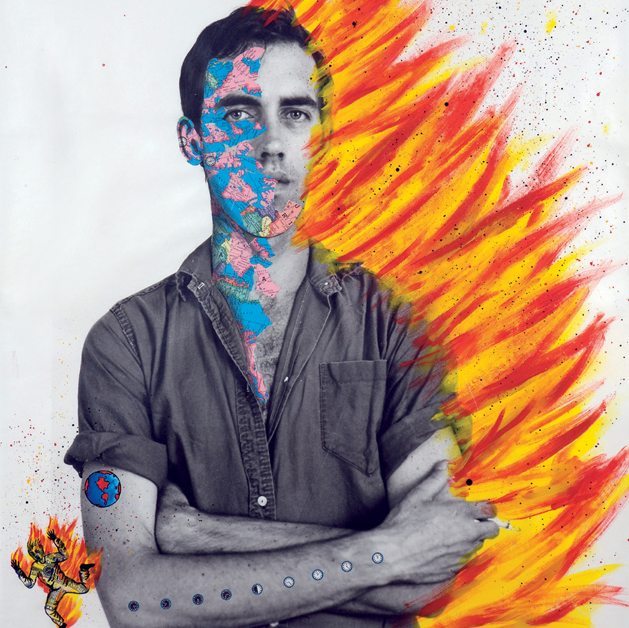 In the spring of 2017, for the first time since publishing a memoir set at the height of San Francisco’s AIDS epidemic, I summoned the nerve to teach a course on memoir—which is to say, at least as I taught it, a course on the necessity of personal witness, a course against forgetting. Mostly I avoided the subject of AIDS, not wanting to be the grizzled old veteran croaking war stories to a classroom of undergraduates. But since AIDS memoirs are among the best examples of the genre, I decided I had to foray into the minefields of those memories. I surprised myself by choosing not one of several poignant memoirs but the edgy anger of Close to the Knives, by the artist David Wojnarowicz, with its hustler sex and pickup sex and anonymous sex on the decaying piers of Chelsea and amid the bleak emptiness of the Arizona desert, one eye cocked at the rearview mirror to watch for the cop who might appear and haul your naked ass to the county jail, sixty miles of rock and creosote bushes distant.1 Wojnarowicz was thirty-seven years old when he died of AIDS in 1992.
Click here for full article.
Who sounds gay?
This short documentary explores the reasons that some men sound ‘gay’, whether they are or not.
“For the last few years, I’ve wondered why some men “sound gay.” I began asking people for their thoughts on the subject, and received a surprising range of answers. Some people said the gay voice was a put-on, like a man in a conspicuously sparkly dress. Others thought gay men sounded gay just to let other gay men know they were. Some thought that every man who sounds gay is gay, even if he claims otherwise. A lot of people said, “Wow, I don’t know.”
I decided to make a film about the stereotype of the “gay voice” and my own anxieties around “sounding gay” (I am gay, and sometimes worry that my voice gives me away before I’m ready to come out). I interviewed strangers on the street for the film because, as I discovered, the origin of men’s gay-sounding voices intrigues people of all backgrounds, regardless of their sexual orientation. (I subsequently became intrigued by the intrigue.) Nobody knows for sure why some people sound stereotypically gay and others don’t. This Op-Doc video explores one of the prominent theories.
As you watch, consider something that a linguist kept reminding me: There’s no such thing as a fundamentally gay voice. Plenty of men may sound gay, but their voices aren’t evidence that they are gay. What we call the “gay voice” belongs to us all.” David Thorpe.
Who sounds gay? | David Thorpe | New York Times | 23 Jun 2015 | 6m 10s
Bearspace: geographies of the double stigma of sexuality/fatness in a gay/bisexual men’s subculture | Research: June 2018 – June 2019
 This research attends to an unexplored intersection of geographies of sexualities, and fatness/obesity. In a nation grappling with an ‘obesity epidemic’, fat people in the UK are highly stigmatised as unhealthy and sexually repulsive, with resultant serious mental/physical health impacts. Fat stigma is intensified in gay/bisexual men’s spaces, yet the impacts of fat stigma on men’s health or sexuality have received little attention.
The project aims to uncover the role of geography in the marginalisation and/or empowerment of fat gay/bisexual men in the UK. It engages with space, fatness and sexuality through work in the ‘Bear’ community – a large global subculture of large-bodied gay/bisexual men.
The double stigma of fatness/sexuality has significant impacts on Bears’ mental and physical health, and Bear bars, clubs, and events are consequently experienced as ‘safe spaces’ for those excluded from both mainstream (due to sexuality) and gay/bisexual men’s spaces (due to fatness). The project will develop six case studies of UK Bear spaces, each comprising an on-site focus group, individual interviews, and the researcher’s own autoethnographic account as a self-identified Bear.
Bearspace: geographies of the double stigma of sexuality/fatness in a gay/bisexual men’s subculture | University of BrightonBearspace | University of Brighton

